
How Arrest Warrants Work in Lake County
An arrest warrant is a court order that lets an officer take a named person into custody. Tennessee Rule 4 spells out how it gets there. A judicial officer reviews a complaint or affidavit and decides whether probable cause supports the process. The rule offers two paths. A summons commands an appearance without the arrest. A warrant commands the arrest itself. In Lake County, misdemeanor trials and preliminary felony hearings run through General Sessions, while felony cases proceed in Circuit Court as the court of record. A city case may begin in Tiptonville or Ridgely instead. To learn what process was actually signed in a case, ask the issuing court, not a general county search page.
Lake County Rule 4 Begins With a Judicial Review
Every Lake County arrest warrant begins with paper. A complaint or affidavit lays out the facts offered in support, and the judicial officer weighs them against the probable-cause standard before issuing a warrant or a summons as the rule allows. That general description tells you nothing about a particular application, which may not exist or may be sealed. The clerk can say what docket information is public. An attorney can interpret the order for your own case.
The state court directory identifies Tennessee's General Sessions court structure.  Apply that court-level context to the court named in a Lake County case.
Inside a Lake County Arrest Warrant
Keep two records straight. The warrant document itself is one thing; the case index is another. Rule 4 and Tennessee court materials describe the process, but Lake County publishes no sample warrant and no standard local warrant-number format. A copy from the court may name the person, the issuing authority, the alleged offense, and the command. Ask the clerk which document exists rather than assuming TnCIS shows those details.
| Case reference | Use the number assigned in the issuing court’s file; no local format was documented. |
|---|---|
| Named person | Confirm the identity and spelling with the court; do not rely on a name alone. |
| Alleged offense | Ask which complaint or affidavit supports the process. |
| Issuing authority | Identify the judge or magistrate and the court office. |
| Bond / conditions | No general Lake County schedule was found; ask the court about the case. |
| Current status | Confirm service, return, recall, or other change with the clerk. |
Lake County Circuit Files Hold Felony Court Records
Lake County’s felony court of record is Circuit Court, and it keeps the related criminal files. General Sessions sits below it, handling misdemeanor trials and preliminary felony hearings. For criminal-file questions, the court directory names Circuit Court Clerk Jessica Avery as the contact. Chancery and the administrative County Court Clerk are separate offices. So when asking about an arrest warrant, name the criminal case and the issuing court.
The official Circuit Court page shows the court’s criminal-record and document route. 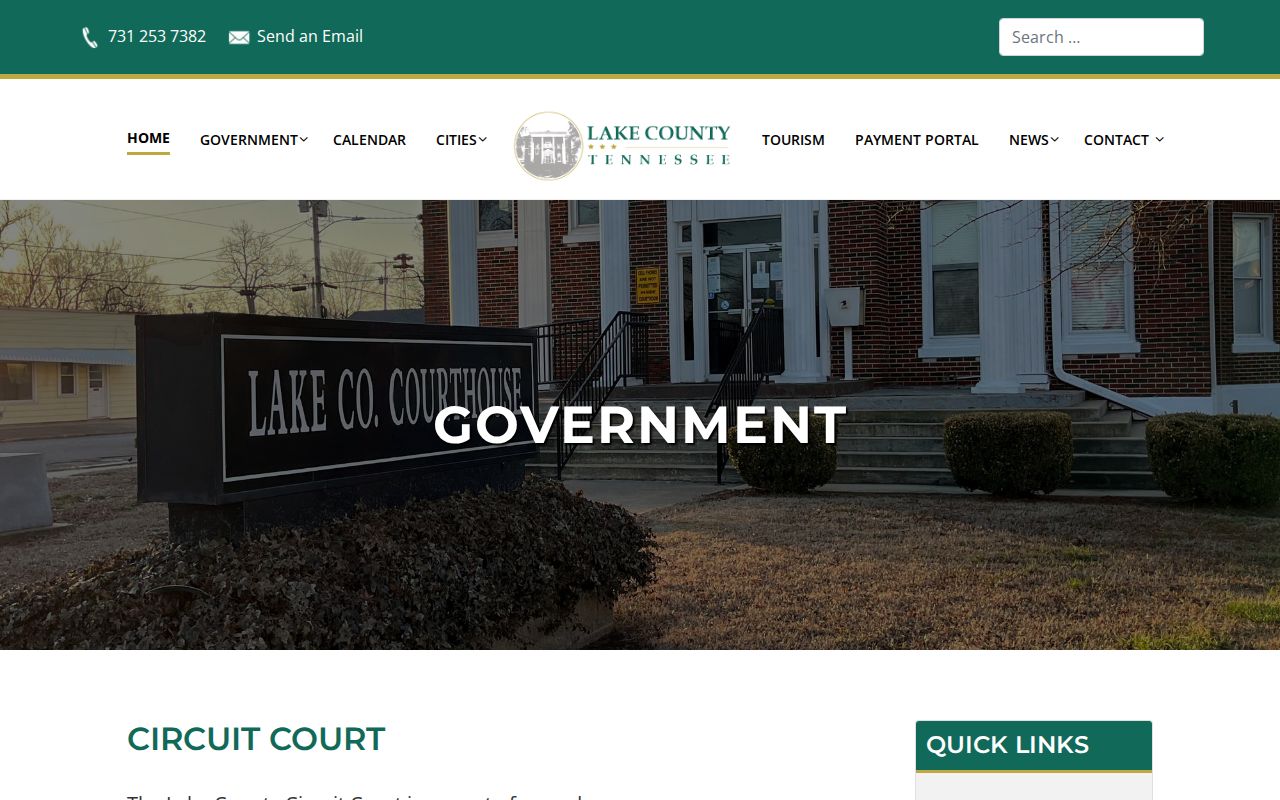 A posted docket document does not replace current status confirmation.
The Tennessee clerk directory provides a way to check the office listing.  Verify the Lake County clerk contact before requesting the file.
The state courthouse directory supplies court-location context. 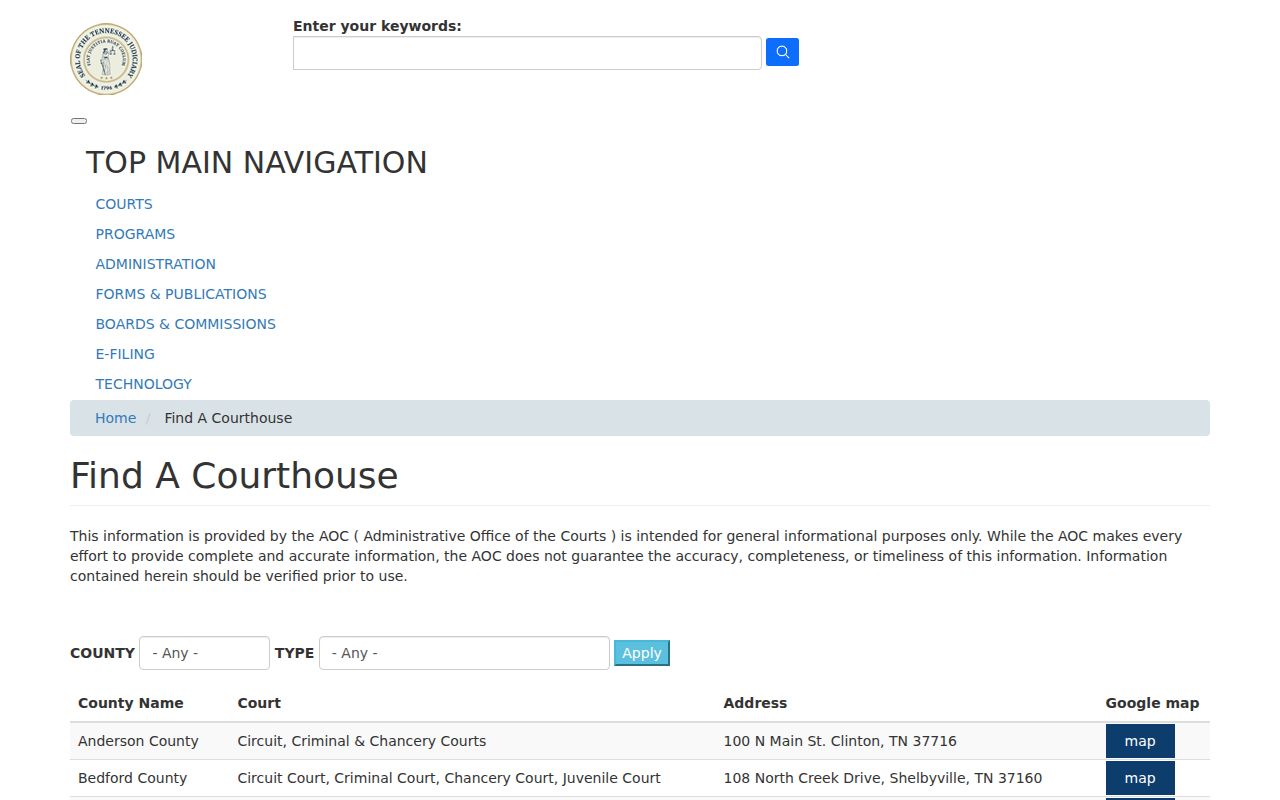 It helps route an inquiry and is not a warrant-status database.
Serving Arrest Warrants in Lake County
Several agencies can serve process in Lake County. The Sheriff’s Department, Tiptonville police, and Ridgely police each act within their own roles. The county has no separate warrant squad, no published service schedule, and no dedicated warrant phone line. The serving agency can explain its procedure, and the court clerk can confirm what the docket says. Once an arrest happens, booking and the court process follow. The issuing court sets the case instructions and any bond decision. Never borrow a bond amount from a different case. A TnCIS row alone will not show current custody or service status.
Lake County Service Questions Go to the Agency
The Sheriff’s Department sits at 109 South Court Street in Tiptonville, and its listed contact number is (731) 253-7791. It posts no warrant list and runs no separate warrant desk. For a municipal case, ask the city or town police and court which agency handles that order. The issuing clerk remains the source for court status.
Arrest Warrants, Summonses, and Bench Warrants
Lake County uses three distinct tools. A Rule 4 arrest warrant follows a probable-cause finding. A summons directs a person to appear. A bench warrant follows an obligation in an existing case, such as a missed date. For that path, see the separate bench warrant process.
| Feature | Arrest Warrant | Summons | Bench Warrant |
|---|---|---|---|
| What It Orders | Custody under a court warrant | Appear as directed | Respond to a missed court obligation |
| Basis | Probable cause under Rule 4 | Judicial process under the rule | Existing case and missed duty |
| Who Issues It | Judge or magistrate | Issuing judicial officer | Judge handling the case |
| How to Respond | Confirm with counsel and court | Appear on the stated date | Ask the court about appearance or recall |
Lake County City Process Can Begin With Local Police
Tiptonville and Ridgely each handle ordinance and traffic matters under their own municipal authority. Their police and court records may not flow into the county’s participating TnCIS search. Trace a city citation to its named court before assuming the next step is a summons, a warrant, or something else. Ask that court who serves its orders and how a return is recorded.
Handling an Arrest Warrant in Your Name
Think a Lake County arrest warrant carries your name? Confirm the court, the charge, and the current status with the issuing clerk. An attorney can advise whether a motion, a voluntary surrender, an appearance, or bond fits your situation. Do not treat an online case row as proof of an active order. Paying alone may not end the matter either. Ask what paperwork or later court date is required, and confirm the record changed after the court acts.
Important: Before acting on a Lake County arrest warrant, speak with a Tennessee attorney and confirm the order with its issuing court.
Lake County Warrant Status Is Not a Search-Result Field
The public TnCIS form reaches participating Circuit and General Sessions records, but it offers no visible active-status field in its results. Federal, juvenile, sealed, and municipal records live elsewhere. If the court has no public record to disclose, ask what records-request process applies. Only the proper clerk or serving agency can confirm a case-specific status.